What turns a room full of strangers into a force strong enough to interrupt addiction's pull? It usually isn't insight alone. It's structure, repetition, safety, and connection used with clinical purpose.
That's the gap in a lot of conversations about recovery group activities. People often treat groups as the “talking part” of treatment, as if they're a place to vent between individual sessions. In practice, well-run groups do much more. They help people test honesty, regulate emotion, practice boundaries, sit with discomfort, and learn that they're not uniquely broken. Addiction feeds on isolation. Group work pushes directly against it.
That matters in California, where group counseling is the most prevalent treatment service. In the state's 2019 National Survey of Substance Abuse Treatment Services, 1,698 facilities, or 94.5%, offered group counseling, and 47,075 clients were in facilities offering it on the survey date (California N-SSATS state profile). Group-based care isn't an extra. It's a foundation.
Still Water Wellness Group builds on that foundation with recovery group activities that combine evidence-based care and integrated treatment. In Lake Forest, near Saddleback Mountain and within reach of the coast, the setting supports deep clinical work, but the setting alone doesn't create change. The right group design does. The activities below are the ones that consistently help people build traction, especially when substance use and mental health issues are tangled together.
1. Peer-Led Support Groups and 12-Step Facilitation
Peer-led groups work because they reduce one of the biggest barriers in early recovery: the belief that no one else really understands. A good meeting challenges that within minutes. Someone hears a story that sounds uncomfortably familiar, and shame loses some of its grip.

That doesn't mean every meeting fits every person. AA, NA, and SMART Recovery each have different language, culture, and structure. Some clients need the spiritual framework of 12-step work. Others engage better with a skills-based model. Some do best in young people's meetings. Others need a quieter, older crowd with stronger long-term sobriety.
What helps newcomers stay engaged
The best approach is practical, not romantic. Encourage people to sample several meetings before deciding a format “doesn't work.” One disappointing room shouldn't become a verdict on peer support as a whole.
A few facilitation standards make a difference:
- Try more than one format: Different meetings have different energy, leadership, and expectations.
- Match support to stage of care: Someone stepping down from detox may need a highly structured routine with transportation and accountability.
- Bring sponsor and fellowship issues into therapy: A difficult sponsor relationship, fear of speaking, or resistance to step language should be discussed openly, not ignored.
Practical rule: Peer support should be prescribed with the same thoughtfulness as any other intervention. Fit matters.
For people who want a broader view of mutual-help models, alternative approaches to the 12 steps can help clarify which framework feels sustainable. The strongest results usually come when meeting attendance is part of a larger treatment plan, not a stand-alone fix.
2. Experiential Therapy Groups
Some clients can explain exactly what happened in their lives and still feel emotionally frozen. Others shut down the moment a group becomes too verbal. That's where experiential recovery group activities become especially useful.
Art therapy, creative writing, nature-based groups, and equine work create a different entry point. Instead of asking a person to describe grief, fear, or shame on command, the activity gives those emotions a place to emerge indirectly. That often feels safer, especially for people with trauma histories or high defensiveness.
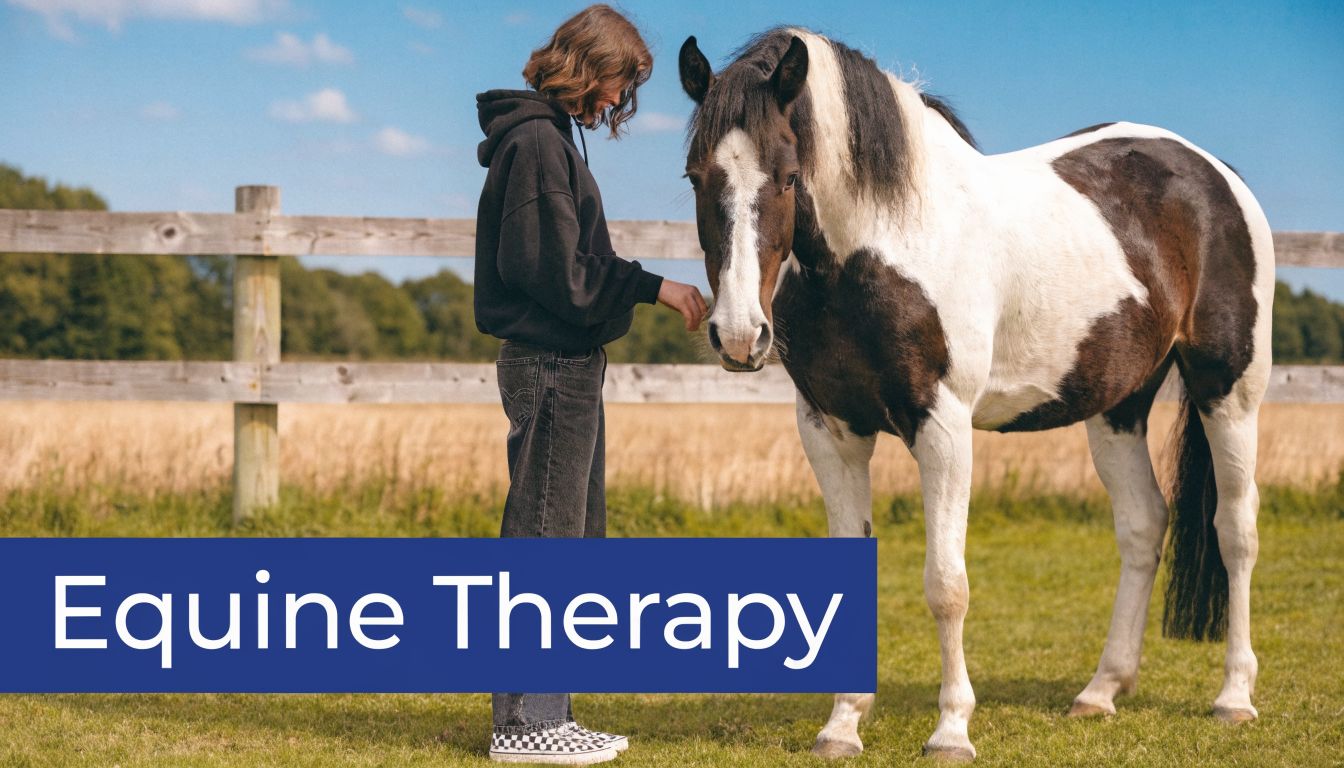
In a residential setting, examples might include identity-focused art groups, guided hikes, music-based reflection, or equine sessions where clients notice how the horse responds to their posture, pace, and nervous system state. The activity itself matters less than the clinical debrief that follows.
What works and what falls flat
Experiential groups work best when they're tied back to recovery themes. A hike isn't therapy just because it happens outdoors. It becomes therapeutic when the group processes frustration, leadership, avoidance, trust, or emotional activation that showed up during the experience.
Common mistakes include:
- Using activity without reflection: Clients may enjoy it, but the treatment value stays shallow.
- Choosing one modality for everyone: Creative clients may open up in art, while others feel exposed and resistant.
- Pushing symbolism too hard: Not every drawing or interaction needs a dramatic interpretation.
A well-run experiential group gives clients room to participate in different ways. Someone may speak at length after a painting exercise. Another may say only a few words but still reveal something important through the work itself. Both can be clinically meaningful.
3. Mindfulness and Meditation Group Sessions
Mindfulness gets oversimplified in addiction treatment. It isn't just “sit still and relax.” For many people in early recovery, sitting can feel irritating, agitating, or even unsafe. That's why delivery matters.
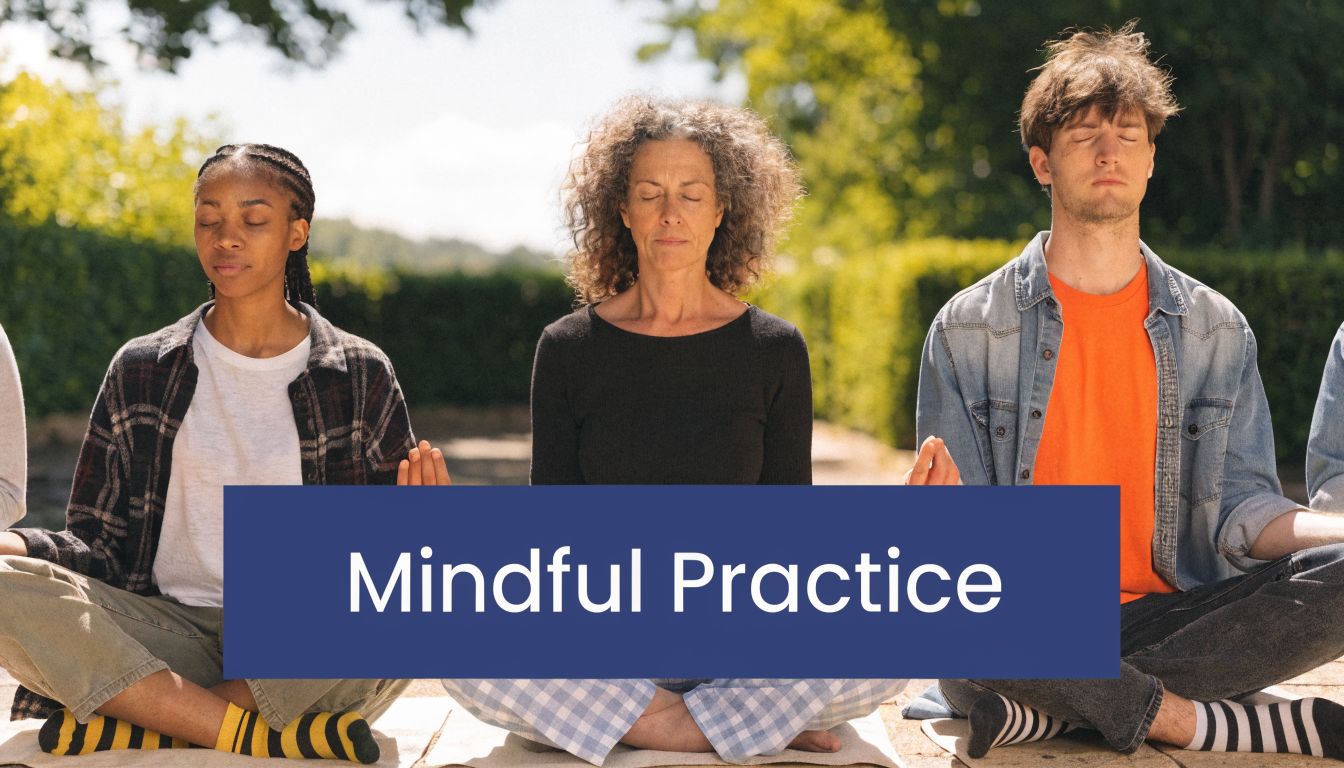
Still, mindfulness-based recovery group activities can be powerful when they're introduced in a grounded, trauma-aware way. They teach clients to notice cravings, racing thoughts, body tension, and emotional escalation without immediately acting on them. That pause is clinically valuable.
Nationally, peer and group participation has been tied to sustained recovery, with one reviewed body of literature finding improved abstinence outcomes among participants in peer support groups (literature review on peer support in Substance Abuse and Rehabilitation). Mindfulness fits best when it supports that broader pattern of continued engagement and self-regulation.
A trauma-informed way to start
Short practices work better than long ones at first. A ten-minute guided grounding exercise, walking meditation, or breath-counting practice is often more effective than asking a dysregulated group to tolerate silence for half an hour.
Useful formats include:
- Guided meditation: Best for beginners who need structure.
- Walking meditation: Helpful for clients who feel trapped by stillness.
- Breathwork with orientation cues: Good for anxiety, as long as facilitators avoid pushing intensity too quickly.
- Trauma-sensitive yoga and mindfulness: Works well when clients can choose chair, mat, or standing options.
Some people don't need deeper meditation first. They need to learn how to feel their feet on the floor and stay in the room.
For clients who want simple daily practices between sessions, meditation for addiction recovery offers a helpful starting point, and this guide on how to practice mindfulness can support home practice. What usually doesn't work is presenting mindfulness as a moral achievement. It's a skill, and skills take repetition.
4. Cognitive-Behavioral Therapy Groups and Skill-Building Workshops
CBT groups are where insight gets translated into action. Many people entering treatment already know their substance use is damaging their life. The harder question is what happens in the hour before they use, the thought sequence that justifies it, and the behavior pattern that keeps repeating.
That's why structured skill-building groups matter. They help clients identify distorted thinking, map triggers, and practice alternatives while they're sober enough to learn. Relapse prevention plans, thought records, communication drills, and emotion regulation exercises all belong here.
What these groups should actually teach
Strong CBT-based recovery group activities are concrete. Clients should leave with tools they can use that day, not a vague sense that they “talked about coping.”
Effective workshop themes often include:
- Trigger mapping: Identifying people, places, moods, and routines connected to use
- Cognitive distortions: Challenging thoughts like “I already messed up, so it doesn't matter”
- Behavioral rehearsal: Practicing what to say when offered alcohol or drugs
- Values-based planning: Linking sober choices to work, parenting, health, and relationships
Homework helps, but only when it's manageable. A short thought record or one real-world coping experiment tends to work better than lengthy assignments that clients won't complete. Follow-up should be curious, not punitive.
CBT groups are especially useful in PHP and IOP because clients can practice a skill in real life and then return to process what happened. That loop matters. Recovery group activities become more effective when they connect directly to the pressure points people face outside treatment.
5. Trauma-Informed Process Groups and Psychoeducational Groups
What makes a recovery group feel safe enough for honest work without turning the room into a place where clients get overwhelmed?
In trauma-informed treatment, the answer is structure. A standard process group can cause harm when a facilitator reads activation as breakthrough or pushes for disclosure before a client has enough regulation to stay present. In practice, many clients need education, pacing, and clear options before group processing becomes useful.
At Still Water Wellness Group, we frame these recovery group activities within a broader treatment philosophy that treats trauma, substance use, and mental health concerns as interconnected. That changes how groups are built. The goal is not catharsis for its own sake. The goal is steady progress, better self-understanding, and more capacity to function outside the therapy room.
Better structure for complex histories
The strongest trauma-informed groups usually blend psychoeducation with contained process work. Clients often benefit from learning how trauma responses show up in the body, relationships, sleep, and substance use patterns before they are asked to discuss painful material in detail. That sequence matters. It reduces shame and gives people language for experiences they may have spent years misreading as weakness, defiance, or failure.
A sound format often includes:
- Clear agreements: Confidentiality, respectful listening, time limits, and permission to pass
- Predictable pacing: A consistent opening, focused topic, and steady closeout so clients know what to expect
- Grounding built in: Brief regulation exercises at the beginning and end, not only after distress rises
- Choice in participation: Speaking, journaling, stepping out briefly, or listening attentively can all be valid forms of engagement
- Focused prompts: Specific questions help contain the discussion and reduce the chance of flooding the room with unprocessed material
Facilitation makes the difference. A gentle tone alone is not enough. The clinician has to notice early signs of dissociation, shutdown, agitation, or overexposure and redirect before the group loses containment. Sometimes that means slowing the pace. Sometimes it means shifting from personal narrative to present-moment skill practice.
Psychoeducational topics that work well in these groups include trauma responses, boundaries, consent, triggers versus danger, shame, and the connection between nervous system states and relapse risk. For many clients, that education is relieving. It helps them understand why they overreact, go numb, avoid closeness, or reach for substances after conflict.
Population-specific groups can also improve engagement. Clients with PTSD, developmental trauma histories, military experience, or histories of sexual violence often participate more fully when the group design reflects those realities. For a broader perspective on pacing, consent, and safety in healing settings, Stillwaters Healing & Massage offers a useful overview.
6. Social Connection and Communication Skills Groups
Many people arrive in treatment with damaged relationships, weak boundaries, or a long pattern of either people-pleasing or explosive conflict. Recovery doesn't automatically fix that. In some cases, getting sober exposes those problems more clearly.
Communication groups give clients a place to practice what healthier connection sounds like. That can include assertiveness training, active listening, family communication repair, dating and relationship discussions, and workplace social skills.
Why role-play matters here
These groups shouldn't stay abstract. Saying “set boundaries” means very little until a client practices a real sentence out loud. The body reacts differently when someone rehearses telling a parent not to send money, asking a partner for space, or declining an invitation that puts sobriety at risk.
Helpful practice scenarios include:
- Family pressure: A relative minimizes treatment or pushes for early discharge
- Work stress: A coworker invites someone to a bar after a difficult shift
- Dating in recovery: A new relationship starts moving too fast
- Friendship repair: A client needs to acknowledge past harm without making promises they can't keep
These groups also help normalize awkwardness. A person rebuilding trust after addiction may feel ashamed, defensive, or convinced they've lost the right to have needs. Good facilitation addresses that directly. The point isn't polished communication. It's honest, sober communication that can survive discomfort.
7. Holistic Wellness and Body-Based Groups
What changes when a client stops treating the body as the enemy and starts using it as part of recovery?
For many people, that shift is a turning point. Clients often arrive in treatment disconnected from physical cues such as hunger, fatigue, muscle tension, shallow breathing, or the early signs of panic. Some have spent years overriding those signals. Others notice their body only when distress spikes. Body-based recovery group activities help restore that awareness in a way that feels safe, structured, and clinically useful.
At Still Water Wellness Group, these groups are not extras tacked onto treatment. They are body-focused supports that fit within an evidence-based plan of care. Yoga, guided breathwork, walking meditation, stretching, and other sensory regulation practices can help clients settle the nervous system, increase tolerance for discomfort, and practice staying present without immediately escaping through substance use. For clients who want to understand how motivation and readiness connect to these practices, our overview of motivational interviewing therapy helps explain that link.
The clinical trade-off matters here. Body-based work can help clients sleep, slow racing thoughts, and notice escalation earlier. It can also stir up vulnerability, especially for people with trauma histories, chronic pain, eating disorders, or a long pattern of dissociation. Good programming accounts for that. A group leader should offer choice, explain what to expect, and avoid any approach that pressures clients to push through activation.
What tends to work well in these groups:
- Trauma-informed cues: Invitations instead of commands, with clear permission to opt out
- Accessible formats: Chairs, props, shorter practices, and alternatives for clients with pain, injury, or mobility limits
- Immediate application: Breathing, grounding, and orientation skills clients can use during cravings, conflict, or insomnia
- Steady pacing: Predictable structure that lowers the risk of overwhelm
- Clinical follow-through: Staff connect the experience back to relapse prevention, emotional regulation, and treatment goals
Facilitation makes the difference. A sound bath or yoga group without clinical framing can drift into passivity or avoidance. In a strong program, the leader helps clients track simple questions: What did you notice in your chest, jaw, stomach, or breath? Did your urge to leave rise or fall? What helped you stay present? That kind of reflection turns a calming activity into a recovery skill.
Breathwork deserves careful handling in particular. Some clients find it grounding. Others become lightheaded or activated if the pace is too intense. Start with shorter, slower exercises and clear exit options. If clients want to explore breathwork benefits, it helps to place that interest in a treatment context rather than treating breath practices as a cure-all.
Used well, body-based groups help clients rebuild trust in their own internal signals. That is a meaningful part of recovery. People who can recognize tension, exhaustion, craving, and emotional activation earlier have more chances to respond before a relapse cycle gains speed.
8. Motivation, Values, and Purpose-Building Groups
What keeps recovery going after the immediate crisis has passed?
In practice, fear, pressure, and consequences may bring someone through the door. Long-term change usually depends on something steadier. Motivation, values, and purpose-building groups help clients name why recovery matters to them, then turn that insight into daily choices they can repeat under stress.
This work is especially important when motivation shifts from week to week. A client can want sobriety and still miss the relief that substances once provided. Good groups make room for that ambivalence without shaming it. At Still Water Wellness Group, we treat that tension as clinically useful material. Once it is spoken aloud, it can be examined, linked to values, and translated into a plan.
Building a life worth protecting
These groups often include values card sorts, future-self exercises, structured goal setting, gratitude practices, and conversations about parenting, service, education, faith, identity, and work. The aim is not forced optimism. The aim is to help people define what their sober life needs to stand for if recovery is going to hold when motivation dips.
The facilitation matters. A weak version of this group turns into vague inspiration or pressure to "find your purpose" before a client is ready. A stronger version stays concrete. Clinicians help clients choose one value, identify one behavior that supports it this week, and notice what gets in the way. That is more useful than setting grand goals with no follow-through.
In trauma-informed care, purpose work also needs pacing. Some clients feel grief before hope. They may realize how much addiction has cost them, or how far they feel from the life they want. That response makes sense. The group leader should normalize it, avoid pushing disclosure, and keep the focus on manageable next steps rather than dramatic declarations.
Useful practices include:
- Values clarification: Naming what matters before setting goals
- Realistic planning: Breaking large goals into the next one or two actions
- Accountability pairs: Peer support around school, work, family, or recovery commitments
- Meaning-making: Exploring how sobriety changes a person's role in family and community
I often tell clients that motivation is less reliable than commitment. Commitment grows when people can picture a future that feels believable, not perfect.
For a closer look at this approach, motivational interviewing in therapy fits well with purpose-focused group work. Clients who are also interested in body-based regulation may want to explore breathwork benefits as one part of a broader wellness plan.
Comparison of 8 Recovery Group Activities
| Modality | Implementation complexity | Resource requirements | Expected outcomes | Ideal use cases | Key advantages |
|---|---|---|---|---|---|
| Peer-Led Support Groups & 12-Step Facilitation | Low, volunteer-run, routine scheduling required | Low, meeting space or virtual platform, volunteer sponsors | Improved peer accountability, reduced isolation, ongoing recovery support | Early recovery, aftercare, sober living, community support | Cost-effective, widely available, anonymity and long-term peer networks |
| Experiential Therapy Groups (Adventure, Art, Equine) | High, specialized facilitators and activity logistics | Moderate–High, equipment, outdoor sites, animals, insurance | Deep emotional processing, embodied learning, increased confidence | Trauma survivors, clients resistant to talk therapy, residential programs | Engages nonverbal processing, strong for PTSD, builds self-efficacy |
| Mindfulness & Meditation Group Sessions | Low–Moderate, trained facilitator, trauma-informed delivery | Low, quiet space, minimal props, facilitator training | Better emotional regulation, reduced cravings/anxiety, relapse risk reduction | IOP/PHP integration, anxiety/PTSD (with adaptations), ongoing practice | Evidence-based, scalable, low-cost, teachable for home practice |
| Cognitive-Behavioral Therapy (CBT) Groups & Workshops | Moderate, structured curriculum, skilled clinicians | Moderate, workbooks, clinician time, session materials | Cognitive restructuring, practical coping skills, symptom reduction | Dual-diagnosis, relapse prevention, mood/anxiety disorders | Strong empirical support, measurable progress, transferable skills |
| Trauma-Informed Process & Psychoeducational Groups | High, requires trauma expertise, careful screening/titration | Moderate, small groups, trained staff, safety protocols | Reduced shame, improved safety/trust, addresses root trauma causes | Complex PTSD, developmental trauma, survivors needing education | Normalizes trauma responses, empowers clients, trauma-focused outcomes |
| Social Connection & Communication Skills Groups | Moderate, facilitator skill in group dynamics and role-play | Low–Moderate, space, materials, facilitator time | Improved assertiveness, reduced isolation, healthier relationships | Socially isolated clients, re-entry to work/family/dating, social anxiety | Practical practice, builds peer support, transferable interpersonal skills |
| Holistic Wellness & Body-Based Groups (Yoga, Breathwork, Massage) | Low–Moderate, trauma-informed instructors, appropriate space | Moderate, props, sound equipment, trained practitioners | Nervous system regulation, better sleep, reduced stress, body reconnection | Somatic symptoms, anxiety/insomnia, complement to psychotherapy | Non-verbal regulation tools, sustainable self-care, physiological benefits |
| Motivation, Values & Purpose-Building Groups | Moderate, MI/values facilitation, structured exercises | Low–Moderate, materials, facilitator training, linkage services | Increased intrinsic motivation, clarified goals, purposeful engagement | Ambivalent clients, early–mid recovery, vocational/education planning | Builds internal motivation, aligns recovery with life goals, enhances retention |
Begin Your Healing Journey at Still Water Wellness Group
Lasting recovery is built through repetition, honesty, connection, and the right level of support. That's why effective treatment includes more than one type of group. A person may need peer accountability, trauma-informed therapy, practical coping skills, body-based regulation, and help rebuilding purpose all at the same time.
The strongest recovery group activities aren't chosen because they sound appealing on a brochure. They're chosen because they match the client's clinical needs and stage of change. Someone fresh out of detox may need very structured peer support and simple grounding skills. Someone in residential care may be ready for experiential work, trauma processing, and communication repair. Someone in PHP or IOP may need relapse rehearsal, values-based planning, and a clear aftercare routine.
That layered approach is especially important for people with dual-diagnosis needs. Substance use rarely exists in a vacuum. Anxiety, depression, PTSD, shame, grief, and relationship trauma often drive the cycle. Group treatment works best when it recognizes that reality and gives clients more than one path into healing.
Still Water Wellness Group provides that kind of integrated care in Lake Forest for adults across Orange County, including Irvine, Huntington Beach, and surrounding communities. Treatment can include medical detox, residential care, PHP, IOP, sober living support, and dual-diagnosis treatment, along with well-rounded and evidence-based recovery group activities described above. The environment is calm, but the clinical work is active, structured, and individualized.
For families, this matters too. It helps to know that group therapy isn't random and it isn't filler. Done well, it creates accountability, reduces isolation, and gives people repeated chances to practice sober living before they return fully to everyday pressures. It also helps clinicians observe how clients relate in real time, which often reveals patterns that individual therapy alone can miss.
People don't need to be fully certain before asking for help. They only need to be willing to start the conversation. Still Water Wellness Group offers confidential guidance, personalized recommendations, and 24/7 admissions support for people who are ready for treatment now or trying to understand their options. To speak with the admissions team, call (866) 450-0391.
If you or someone you love needs structured, compassionate addiction treatment in Orange County, Still Water Wellness Group is ready to help. Reach out for a confidential consultation, verify insurance, and take the first step toward care that supports real, lasting recovery.